Sports Coaching
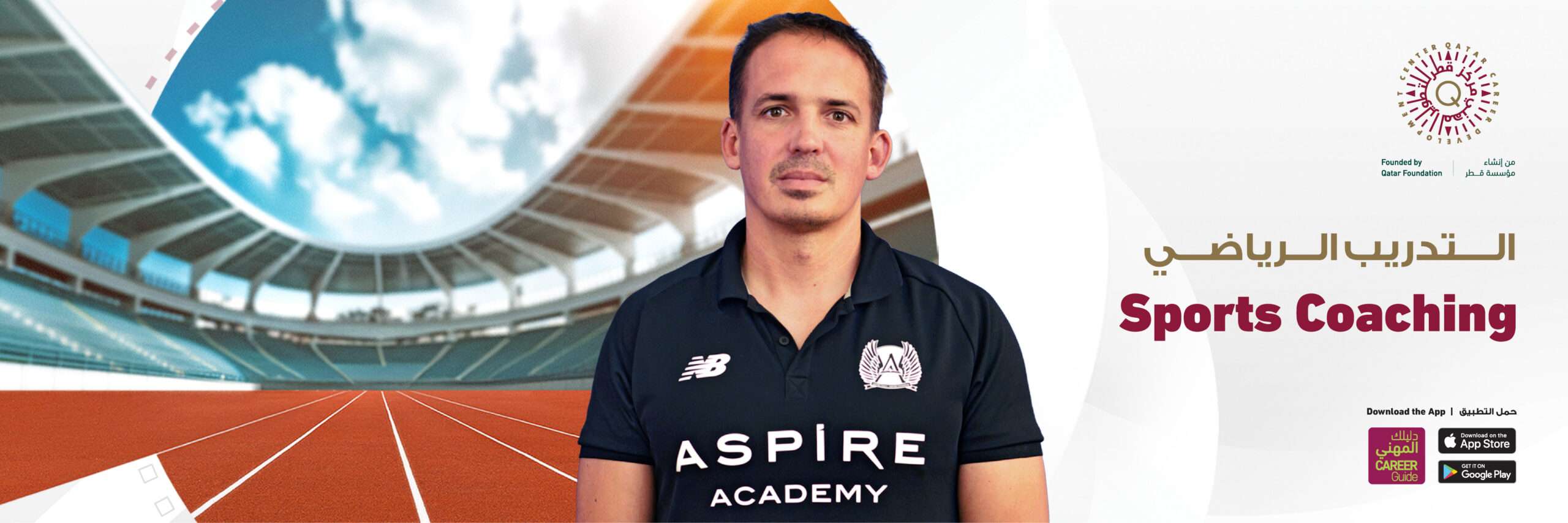
In sports, fans cheer on the champions—the sprint to the finish, the last-second goal, the medal ceremony. But those split-second moments are the result of years of work: structured training, careful planning, and the steady guidance of a seasoned coach leading a specialized team.
If you follow sports, you’ve already seen coaching in action. Coaches prepare athletes physically and mentally for competition. They help players identify their strengths, address weaknesses, and build strategies that peak at the right time. The job shifts depending on the sport, the age group, and the competitive level—each with its own demands, rhythms, and expectations.
Coaching a football squad is very different from coaching a tennis player. With youth athletes, a coach focuses on fundamentals: skill-building, confidence, safe development. With professionals, it becomes all about competitive readiness and results. The higher you climb, the bigger the support system around the coach: performance analysts, team doctors, physiotherapists, nutrition experts, and more. That’s why strong leadership, clear communication, and emotional intelligence aren’t optional; they’re part of the job description.
So, could you become a coach? And does this path have a future in Qatar? Short answer: yes, and yes. Sports coaching today is a recognized profession with its own academic pathway designed to prepare students for the field. And as for its future in Qatar, the outlook couldn’t be brighter.
Coaching sits at the heart of a global sports industry valued at more than $2 trillion. Qatar’s investment in sport is a clear trend and a long-term strategy that goes beyond hosting world-class events. It’s about developing generations of athletes who can compete at the highest levels.
Aspire Academy is a prime example; for nearly two decades, it has supplied Qatar’s national teams across multiple sports with champions who climbed continental and world podiums. At the same time, there’s a clear need for more homegrown coaches.
According to Qatar’s open-data portal, Qatar nationals make up about 14% of coaches working in sports federations (excluding the Qatar Endurance Committee), and roughly 4% in clubs. That gap represents a real opportunity for students who love sport and want a career shaping the next wave of talent.
To meet the demand, Qatar University announced the College of Sport Sciences in 2024. Starting Fall 2025, the college will offer a four-year Bachelor of Science in Sport Coaching delivered in Arabic. The curriculum covers coaching principles and methods, athlete performance and analysis, sports nutrition, psychology of sport and exercise, among other pillars. In short: it’s a professional pathway, taught locally, aligned with the standards of a modern, multidisciplinary field. Coaching is a calling.
Passion for sport comes first, as it powers you through long seasons, tough losses, and the pressure of game day. From there, you build experience year after year, earning licenses and certifications that open doors to higher levels. You learn to understand people, to lead, and to stay curious. In coaching, standing still means falling behind.
Peter Skoumal
Lead Athletics Coach
Aspire Academy
I grew up in a sports family. Both my parents were professional athletes before becoming coaches, and I spent much of my childhood on the track, where my love for sport took shape. Competing felt natural.
Pole vault was my favorite, but I loved most of track and field sports, and I realized I could hold my own across several of them. That’s why I chose the decathlon, one of the toughest competitions in athletics: ten events, including sprints, jumps, and throws, over two days. I had the honor of representing Hungary at continental and international championships and winning national titles along the way.
As my competitive career wound down, I began preparing for the next chapter. I studied at Semmelweis University, a leader in biomedical sciences, earning a coaching diploma in 2006 and then a bachelor’s in sports management. From there, I committed fully to life as a coach.
What do I love most about this career? Being on the track every day. Working directly with athletes. Getting to know who they are and helping them grow. Every day brings a new challenge, and we face it together.
My advice for anyone who wants to succeed in coaching is simple: keep an open mind. Don’t rely only on what you learn in the classroom; learn from everyone, especially coaches with more experience.
Continuous learning isn’t optional in this profession; it’s the job. I’m in my forties and still learning something new every day. Coaching isn’t a fixed set of recipes; it’s an experience built through observation, experimentation, and reflecting on how others work. Believe in the impact of your role. Be patient and resilient. Stick to a methodical plan that moves you toward your goals, and always communicate with the athletes you coach.
To be a qualified coach, short courses alone aren’t enough. Coaching has deep academic foundations. It is inherently multidisciplinary, intersecting with biomechanics, psychology, and nutrition, while increasingly integrating areas like physical rehabilitation and sport sciences. You don’t have to be an expert in every field, but you do need a solid understanding so you can build the right support system around your athletes and deliver results.
In Qatar, the success of standout athletes has inspired more young people into sport. Mutaz Barshim, the Olympic and world high-jump champion, is a prime example; his achievements encouraged many to try this sport. The same principle applies to coaching. Qatar needs more homegrown coaches, and it is a promising career path that deserves more attention, especially as the country’s investment in sport continues to rise. This is the moment to build a strong generation of Qatari coaches.
I’m proud to be part of Aspire Academy, where my work focuses on developing athletes in the U-14 and U-16 age groups. I still have plenty of ambition. My goal is to help make our program at Aspire the best in the world, so we can prepare a new generation of Qatari athletes to carry the national flag on the biggest stages: the Olympic Games, World Championships, and the Asian Games.