Embracing Diversity: Toward a Creative Inclusive Workforce
In the modern world of business, inclusivity is taking centerstage worldwide. With local society’s growing awareness of the significance of diversity, Qatar Career Development Center (QCDC) has taken the lead in opening doors for individuals with disabilities, in particular those with learning challenges and who are on the Autism Spectrum, to thrive in the workforce. Over the past years, these relentless efforts in autism awareness have laid the foundation for a more inclusive workforce in Qatar.
QCDC’s commitment to autism awareness from a career development perspective is evident in the center’s various programs, initiatives, and collaborations with specialized entities like Awsaj Academy. These initiatives raise awareness and enhance the understanding of the challenges individuals with autism face in joining the workforce and developing their careers. By engaging experts, decision-makers, parents, and the community, QCDC facilitates open conversations that debunk myths, promote empathy, and empower individuals with autism to lead fulfilling professional lives.
Consequently, the notion of integrating individuals with autism into the workforce is no longer a distant dream; it’s an emerging reality embraced by many companies and organizations across Qatar, supported by Qatar’s leadership and laws, and strategically favored in its National Vision 2030. While traditional perceptions of neurodiversity were limited, today’s awareness highlights the unique strengths and abilities that individuals with autism bring to the professional arena. Their meticulous attention to detail, robust analytical skills, and exceptional memory are just a few traits that can contribute to organizational success, and long-term societal and economic development. Thus, the concept of workplace inclusion has gained momentum in Qatar, and globally, with organizations acknowledging the immense potential diverse talents offer.
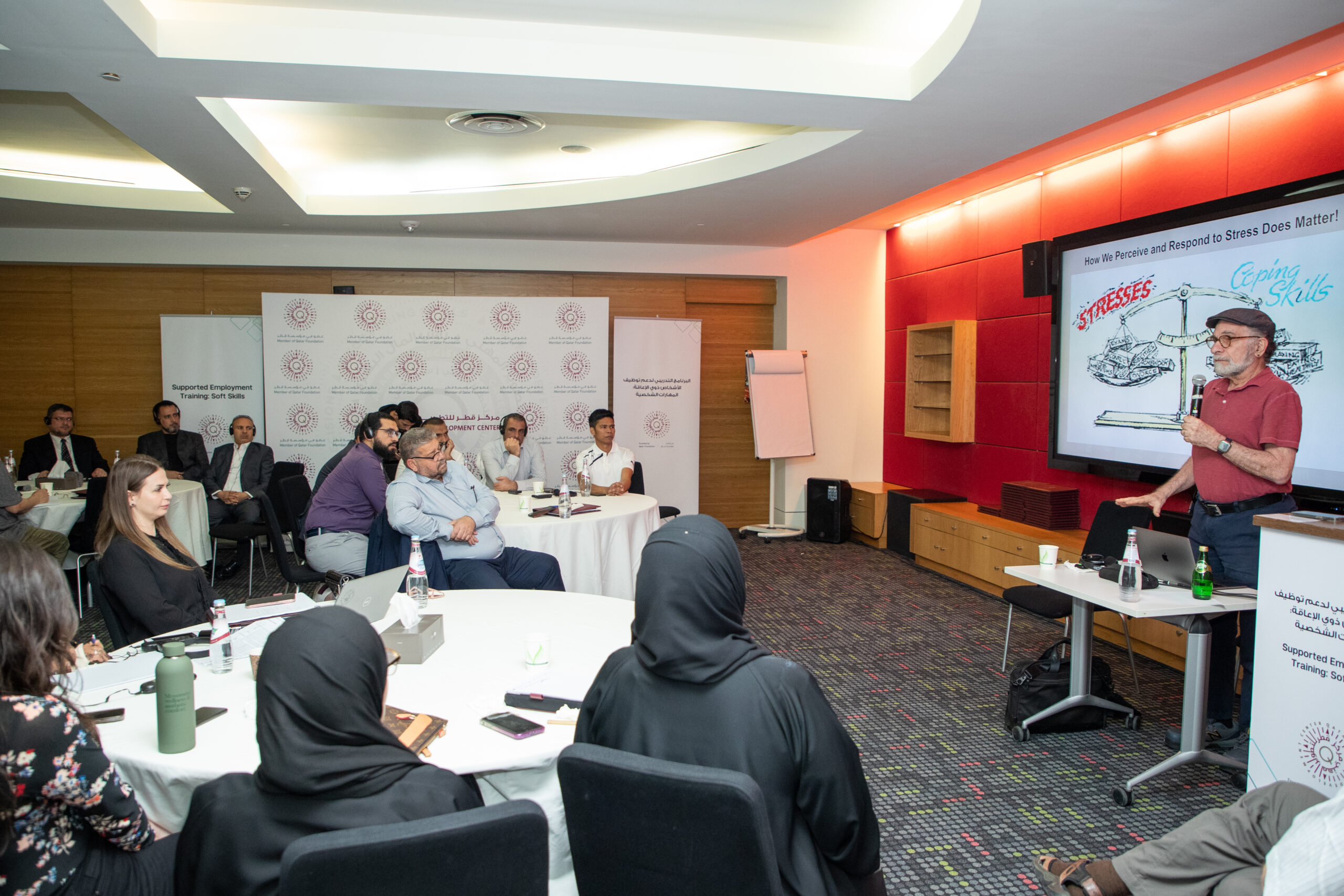
The journey toward realizing this potential is paved with inspiring stories and invaluable guidance from experts like Dr. Robert Naseef, Dr. Stephen Shore, and the iconic Dr. Temple Grandin. QCDC has partnered with these bright minds across multiple years and initiatives, to deliver training programs and awareness webinars on these issues, with the ultimate goal of incorporating their inspiring stories, invaluable insights, and expertise into the inclusive narrative the center employs in this journey.
Dr. Robert Naseef, a psychologist and parent of a child with autism, has continuously offered unique insights into both personal and professional aspects surrounding autism.
His advice on collaboration between parents and professionals echoes QCDC’s collaborative approach. Dr. Naseef advocates for a holistic approach that acknowledges individual strengths and challenges while fostering open communication. “As parents, you are experts about your child, while professionals are experts in autism,” he advises, directing families and support networks to take further responsibility in facilitating the transition from supported education to the workforce for individuals with autism.
While, Dr. Temple Grandin, on the other hand, has led a journey that stands as a testament to what can be achieved when potential is acknowledged and nurtured. Despite being diagnosed with autism at a young age, Grandin defied societal norms and odds to become a renowned advocate, speaker, and bestselling author. Her advice to parents, employers, and individuals with autism is to focus on strengths، as she eloquently stated, “The world needs all kinds of minds,” emphasizing creative aspects of diversity, including neurodiversity, as crucial for innovation and progress.
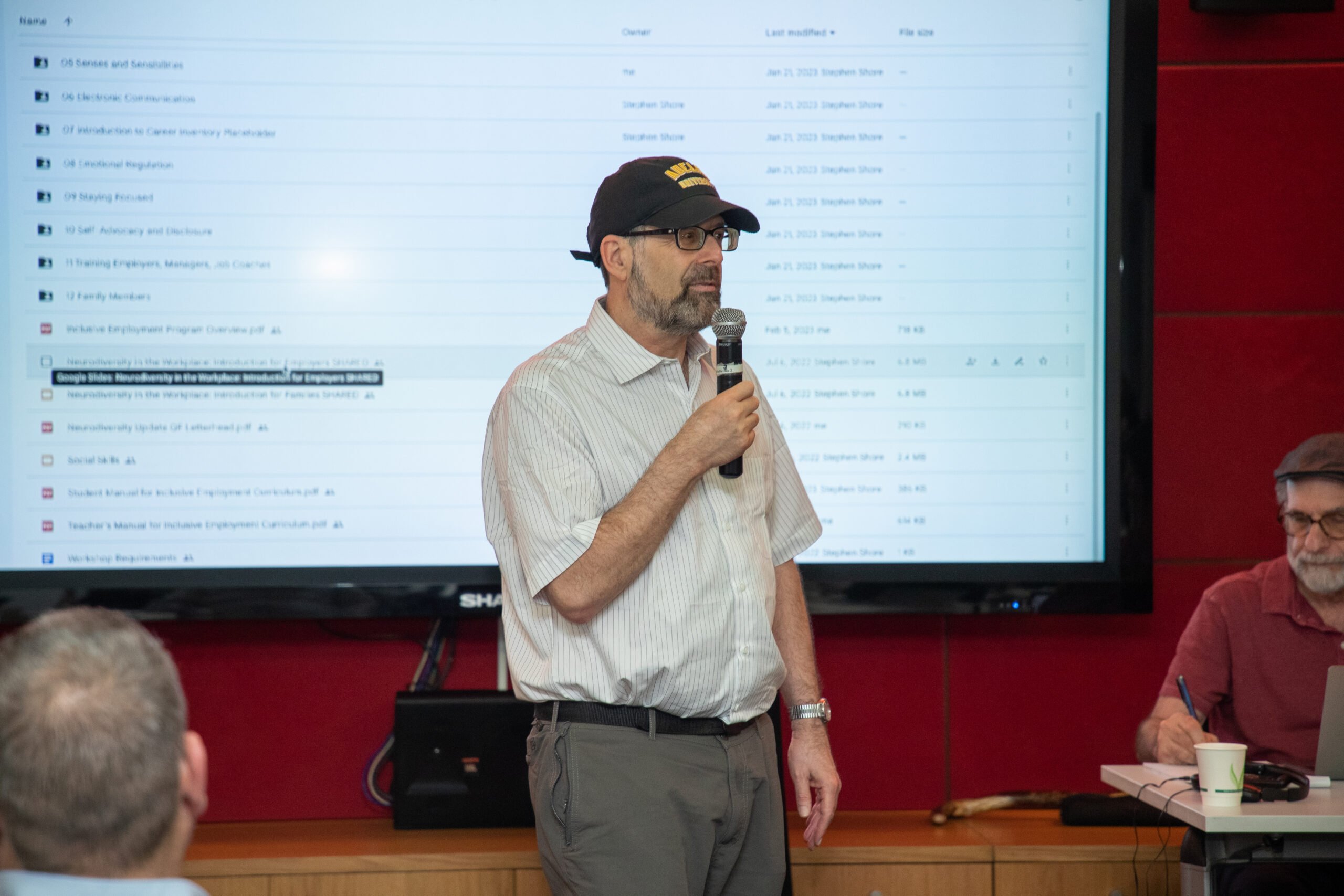
Another brilliant example that QCDC has worked closely with for years is Dr. Stephen Shore, whose story is one of resilience and triumph over adversity. Also diagnosed with autism at a young age, he faced limited expectations for his future. However, intensive interventions led by his parents set him on a path of success. Today, as a professor and a passionate autism advocate, Dr. Shore encourages embracing differences. “Different, not less,” he asserts, urging society to recognize that individuals with autism bring a unique perspective that enriches our collective experience.
As these pioneers and fellow advocates continue to raise awareness on this issue, businesses and workplaces now find themselves uniquely positioned to lead the charge in creating environments that embrace individuals with disabilities, particularly those with autism. By promoting inclusion and providing the necessary support, these organizations enrich their workforce and contribute to a more equitable society that values all individuals’ unique abilities and strengths.
This can be achieved by taking small steps, derived from the stories and experiences of our internationally recognized experts, which will eventually accumulate to mark a decisive change in inclusive career culture across Qatar, and around the world.
Creating an Awareness Culture
The journey toward inclusive workplaces begins with knowledge and awareness. Companies can initiate, or participate in, workshops, training sessions, and informational talks that educate employees about autism and other disabilities. There are numerous stakeholders within Qatar that offer such services, with QCDC as one of the most prominent among them. Dispelling misconceptions and fostering understanding enables workplaces to create a more empathetic atmosphere that welcomes individuals with autism.
Embracing Flexibility
Flexibility is a cornerstone of an inclusive workplace. Flexible work arrangements such as adaptable hours and remote work options are essential to accommodating the diverse needs of neurodiverse employees. For individuals with autism who may thrive in structured routines, these accommodations can significantly enhance their job satisfaction and performance.
Designing Sensory-Friendly Spaces
This is particularly important for individuals with autism who often experience sensory overload. Simple modifications such as dimmed lighting, noise-canceling headphones, and designated quiet zones can provide much-needed relief and allow employees to recharge in a calming atmosphere.
Facilitating Clear Communication
Direct and unambiguous communication is also important for individuals with autism. Businesses can implement communication strategies that prioritize clarity and avoid figurative language. Providing written instructions and visual aids can enhance understanding and reduce misunderstandings. This will prove more efficient for neuro-typical employees as well.
Mentoring and Support Programs
Mentoring initiatives can be invaluable for individuals with autism. Pairing them with experienced colleagues who offer guidance, answer questions, and provide emotional support can foster a sense of belonging and professional growth.
Leveraging Strengths and Accommodations
Recognizing and utilizing individual strengths is a cornerstone of any successful organization or business, and even more so in inclusive approaches. Businesses can empower individuals with autism to excel in their roles by assigning them tasks that align with their unique talents and providing reasonable accommodations for them.
Leading by Example
Company leadership plays a pivotal role in setting the tone for inclusivity. When leaders authentically commit to diversity, it resonates throughout the organization. This way, business leaders inspire the entire team to adopt inclusivity in all aspects of their operations.
Continuous Feedback and Improvement
Creating an inclusive workplace is an ongoing endeavor that requires constant feedback and improvement. By actively seeking input from experts, employees with autism, and their colleagues, businesses can uncover areas for enhancement and further tailor their support.
The inclusion of individuals with autism in the workforce is not only feasible but also a strategic advantage for organizations seeking to create a more diverse and innovative environment. By recognizing this, businesses can unlock a wealth of untapped talent, leading to greater success and growth.
QCDC’s ongoing and future initiatives demonstrate a strong commitment to building upon this potential. By continuing to offer training programs and fostering collaborations, QCDC is taking the lead in promoting the inclusion of individuals with autism in the workforce. We must keep in mind that “Different, not less.” echoes the essence of neurodiversity—embrace differences, appreciate unique talents, and create a space where everyone can thrive.