Manage Stress
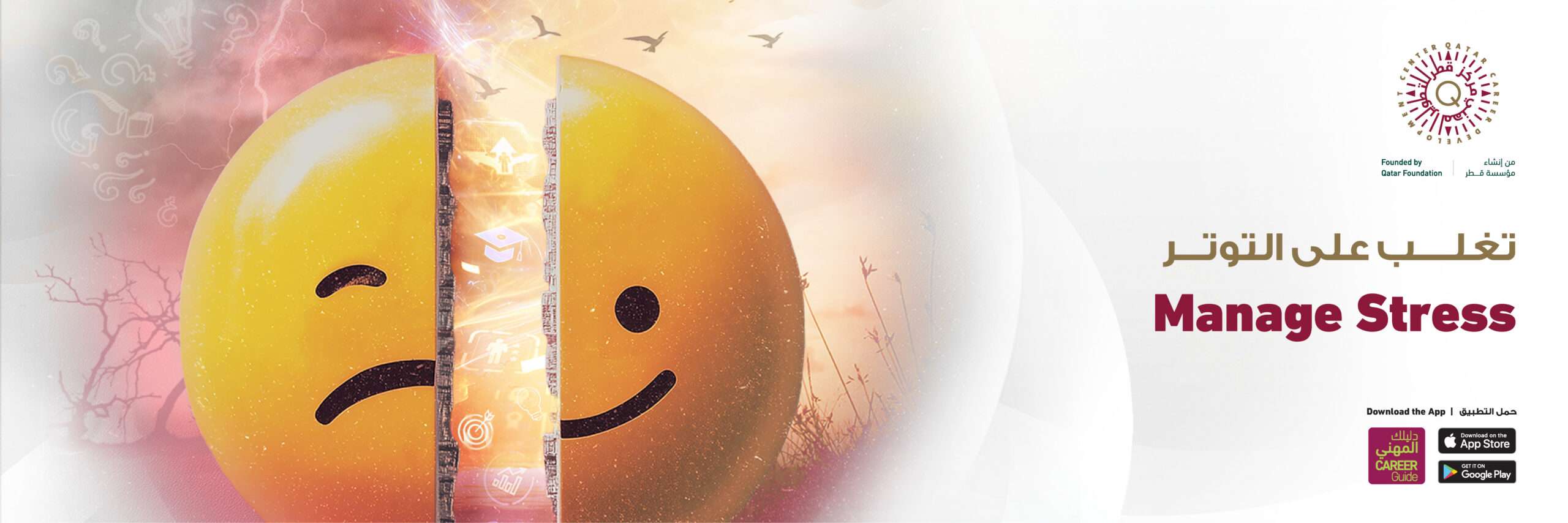
Exams around the corner? Anxiety kicking in? You are aiming for grades that will get you into the university you always hoped for, but the time left is not enough to cover everything?
You try to make up for lost ground, but instead you find yourself procrastinating, unable to focus, and even spending more time on social media? Struggling to sleep? All these are common signs of stress.
First, you need to understand that stress is a natural response that most people experience. It often shows up when demands exceed their mental, physical or financial capacity, or when they sense a threat or the possible loss of someone or something important.
It may also be a result of delaying a crucial decision or step.
In the example we mentioned earlier, the stress stems from study pressure, which is often called academic stress. But in fact, stress can result from many other triggers, so it is vital to handle it in ways that preserve your balance and effectiveness; in short, to manage it.
Why manage stress?
Ignoring stress can lead to serious consequences. It starts by reducing your ability to handle daily tasks and staying focused, then it can quickly undermine your quality of life and social relationships.
Over time, chronic stress strains the body as it increases the release of hormones like Cortisol and Adrenaline. This can increase the risks of heart disease, weaken immunity and disrupt digestion.
In today’s fast-moving and pressure-filled world, stress management became an essential skill that can help protect your health, performance and relationships. To achieve this, pay attention to early warning signs of stress, identify the root causes, and take practical steps to bring it under control.
Stress can have many signs, and responses vary widely from one person to another, according to its intensity, the level of threat, and the underlying causes. At times, you can avoid stress by eliminating its triggers, but in other cases, you will need to confront it.
Common Signs of Stress
Physical
- Fatigue
- Headache
- Insomnia
- Shortness of Breath
- Trembling
- Indigestion
Cognitive and Behavioural
- Lack of Concentration
- Boredom
- Procrastinating
- Reduced Productivity
- Loss of Appetite
- Overeating
Emotional and Social
- Anxiety
- Mood Swings
- Impatience
- Isolation
- Guilt
- Frustration
To help you better understand how stress impacts your mental health, we have met with Ammar Karim, Clinical Psychologist. We discussed the best ways to manage stress and the broader importance of mental health, in addition to knowing how to distinguish between stress and deeper conditions that require professional support.
We started with academic stress, which is one of the most common challenges students face. It is often tied to performance anxiety and high expectations which sometimes are self-imposed, while other times come from parents or older siblings. Fear of failure adds another layer of pressure.
Stress can be harmful, but it is not always bad, as Ammar explains: “Stress itself is inevitable, and in the right amount, it can even be useful. When stress is too high, it becomes overwhelming and debilitating. It can harm learning and overall wellbeing. When it’s too low, it leads to boredom and low motivation. Students need an optimal level of stress which is enough to energize action, like studying for an exam or meeting a deadline, without tipping into burnout.”
Based on his extensive experience in dealing with students, our guest shares evidence-based techniques that can be used to manage stress:
1- Time management
Time management is a misnomer, because we cannot manage time itself, but we manage ourselves within the time we have.
Research shows that students who study in a structured way and set realistic goals report better mental health and lower stress. Start by setting achievable goals and follow a scheduled study plan.
A practical tool I use with students is the Eisenhower Matrix. It is a method for managing time more effectively and deciding what to delegate. Tasks are categorized along two dimensions: urgent vs. non-urgent, and important vs. not important.
Students often find themselves spending time on activities that are neither urgent nor important. These activities consume their time. They should focus on what is both important and urgent, and also on what is important but not urgent.
For example, exam and coursework deadlines are urgent and important. If they miss them, there are consequences. But they also need to invest in things that are important yet not urgent like their values and priorities.
If you value friendships, family, self-development, or a hobby but don’t give them time, your mental health and self-esteem will suffer over time. Students often get stuck in “firefighting” tasks that feel urgent but are not truly important like emails, interruptions, phone calls.
These should be delegated or minimized. Another unhelpful quadrant is time-wasting: gaming, excessive social media, and other activities that don’t yield positive results. We often slide into these when we’re burnt out.
2- Physical and mental activity
Another key strategy for managing stress is regular physical activity.
There’s substantial research on this. For example, a 2014 paper in the Sports Medicine journal found that people who exercise regularly report lower cortisol levels and better emotion regulation.
Exercise helps release built-up stress and gives you a healthy way to burn off excess energy.
It doesn’t have to be weightlifting. Any movement helps: walking, jogging, or team sports. Anything that gets you moving should be part of stress management. Choose what fits your age, ability, and preference, then make it a regular part of your routine. Mental activities are also essential.
Reading in particular is a habit worth building into your routine. A 2009 study by the University of Sussex found that just six minutes of reading a day can reduce stress levels by nearly 70 percent.
Mindfulness is another effective tool to manage stress. Begin with simple breathing practice. Use relaxed or diaphragmatic breathing. Fix your attention on the breath; air flowing in, pausing in the belly, then flowing out.
Keep returning your focus there whenever it wanders. The goal is to anchor your attention to a single point. No overthinking, worrying, or dwelling on the past; you’re simply in the moment, focusing on each in-breath and out-breath
3 – Balanced Lifestyle
Think of Maslow’s hierarchy of needs: the foundation is basic needs like sleep and nutrition, which students frequently neglect, especially before exams, when they try to pull all-nighters. There’s no universal “magic number” for sleep; some people function well on six hours, others on eight.
What matters is getting adequate, consistent rest. Then comes nutrition. What you put into your body affects how you function. Some foods may tire you or make you feel sluggish; others support steady energy and mood. In the same way you’d use the best fuel and oil for a car, your body performs better with quality nutrition. Aim for a balanced diet. Equally important is social connection.
In Maslow’s hierarchy, beyond basic needs, we have belonging, love, and acceptance. Regular, meaningful interaction with friends and family supports emotional wellbeing and resilience. Excessive use of social media can undermine real social connections. We live in an era of online “friends” and likes, but social-media friends are often superficial.
You may have a large number of followers, but you will likely never know most of their names. Online “friends” don’t provide the same benefits as genuine friendships. They rarely help you work through difficulties or discuss real issues.
People generally function better with a sense of community and belonging. Humans need genuine social stimulation and real-world interaction. Nothing can replace face-to-face relationships.
Dealing with tough situations
In many cases, the source of stress is beyond our control, like losing a loved one, falling ill, or being subjected to bullying. In such situations, ignoring or suppressing your feelings will not ease the pain, and can intensify them, leading to more serious consequences and deeper psychological problems, as Ammar explains: “Make space for grief. You need a safe space to talk through what happened and learn how to cope. It is not about forgetting; you won’t forget a loss.
Over time, though, you can come to terms with it and see it differently. Talk to someone you trust, like a family member or a close friend, and don’t hesitate to seek professional support if you feel you need it. When you do not talk about it, you keep everything in your head and become your only point of reference, viewing the situation through your own bias.”
Stress or something more serious
Now, you have learned how stress can impact our lives and why you should never ignore its signs, but how to tell the difference between stress and more serious issues like depression? People often use clinical terms as pop language. “I am depressed,” or “I am OCD” without proper clinical assessment.
The experienced psychologist advises to notice how long the symptoms last, and monitor their consistency and severity.
“Stress tends to come and go, tied to specific situations like exam deadlines or work pressure. Low mood or depression is usually persistent. Look for core symptoms of depression, especially loss of interest or pleasure, when activities you used to enjoy like seeing friends, gaming, hobbies no longer feel rewarding, and you have little motivation to do them. You might also struggle to switch off and sleep well, or notice your appetite shift in either direction; overeating or not eating at all. Monitor your daily functioning at work, school, and relationships. If common tasks start to feel like a chore or become overwhelming, that’s another clue. People suffering from depression may also see themselves through a harsh, negative lens, believing they lack intrinsic value,” he says.
“If these feelings continue for more than two weeks, without improvement, that points beyond routine stress, and it would be better to seek professional help from a therapist as soon as possible,” he adds
Mental health is no less important than physical health
Ammar praises the significant steps Qatar has taken in recent years to raise awareness of mental health and reduce the stigma some still associate with therapy. He advises young people to closely monitor their emotions and not to hesitate to seek professional help if they go through difficult times and don’t feel comfortable sharing what they are experiencing with family or friends.
He offers this final advice to our young readers: “Mental health should be taken as seriously as physical health. Seeking therapy is a preventive move toward wellness, and it merits the same priority as any other aspect of health. Real improvement should come from within, and therapists can offer a non-judgmental space where you can open up, explore your feelings, and see things from a different perspective. They can help you clarify and develop your guiding philosophy, which is the set of core beliefs, values and principles that steer your decisions and help you face challenges and solve problems. Your philosophy helps you know your “why”, treat challenges as opportunities to grow, and view failures as lessons, instead of focusing on failure itself, or blaming yourself. You will learn to channel your energy into improving your performance and reaching your potential.”