Money Matters
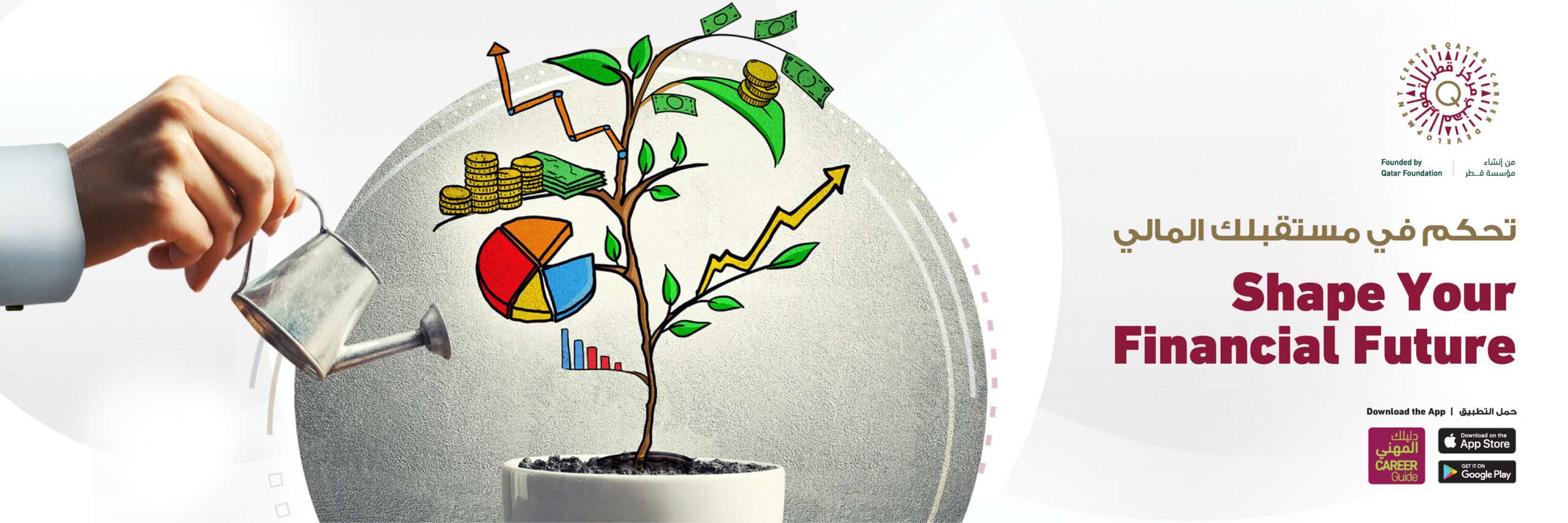
Why You Should Boost Your Financial Literacy
It’s the middle of the month, and your paycheck has already vanished. You rack your brain as to where it all went; there were no emergencies or surprise bills. Maybe it was the professional-grade camera you’ve been eyeing for ages? The deal was too good to pass up, even though you’ve never done serious photography. You rationalize: it might come in handy on your summer trip.
Still, chunks of your income are unaccounted for. Do you swipe your credit card? Take out another loan? The money will always come back…right? Sound familiar? Even if you’re still in school and haven’t started earning, this scenario is common worldwide. Often, the issue isn’t the size of your paycheck; it’s the lack of financial literacy. Left unchecked, it can spiral into mounting debt and money stress, limiting your choices and leaving you vulnerable when life throws a curveball. The good news: you can avoid this trap.
What Is Financial Literacy?
Being financially literate means having the knowledge, skills, and smart habits, to make informed decisions about your money. It’s about understanding the value of money, managing it wisely, and building routines that set you up for long-term financial security. Here’s the thing: you’ll be dealing with money at every stage of life.
The stronger you grasp the basics, like the relationship between income and expenses, the importance of saving, and the role of investing and long-term planning, the better you’ll be at achieving your personal and professional goals. A big paycheck alone won’t ensure financial security. Without money skills, impulse spending, debt accumulation, and paycheck-to-paycheck living become real risks.
Healthy financial habits give independence, resilience in emergencies, and freedom from debt traps. They also help you avoid scams and poor financial deals. Bottom line: the financial choices you make now will pay off—or cost you—later.
A Ripple Effect: Beyond the Individual
Financial literacy doesn’t just affect individuals. It influences economies. Consider the 2008 global financial crisis. Millions lost jobs, home prices collapsed, and trillions in household wealth disappeared.
Investigators found that poor financial decisions by individuals—such as taking on loans they couldn’t afford, or misunderstanding mortgage risks, and placing blind trust in lenders and brokers— contributed to the collapse.
The crisis exposed just how fragile people’s financial knowledge was. According to the World Economic Forum, only about one third of the world’s population meets the basic standard for financial literacy.
That means the majority are making financial choices without fully understanding the consequences. And the stakes go beyond dollars and cents. Studies show that financial stability affects decisions about education and careers, and that money stress can hurt job performance and stall career growth.
Equally, research from the Global Financial Literacy Excellence Center finds that societies with higher levels of financial literacy save more, carry less household debt, weather recessions better, and enjoy stronger long-term economic stability.
Governments have taken note. Qatar, for example, has made financial literacy a priority since the 2008 crisis. The Qatar Central Bank was tasked with promoting financial education under the 2012 law, and the 2017–2022 financial sector strategy identified it as a core objective.
In recent years, collaboration among financial institutions has intensified, with the shared goal of raising public financial literacy levels. One standout initiative: the Ministry of Education and Higher Education has added Financial Literacy as an elective subject for 11th and 12th graders, starting in the 2024–2025 academic year. Everyone now recognizes the same truth: financially literate citizens make for a stronger economy and a more resilient society.
That means more savings in the bank, smarter investments backed by solid planning, thriving businesses that create jobs, and fewer people weighed down by unmanageable debt.
NINE TIPS FOR SMARTER FINANCIAL DECISIONS
Now you know why financial literacy matters. But the real question is: how do you start making better money decisions? And what small changes in your daily habits can help set you up for long-term financial security? Here’s a set of practical, no-nonsense principles that can help you take control of your finances.
1- Time Is Money
Your time is your most valuable asset. Spend it wisely. Invest it in things that bring lasting value: learning a new language, building a skill that could open career doors, improving your health, or strengthening meaningful relationships. On the flip side, losing hours to endless scrolling on social media or marathon gaming sessions can quietly drain away opportunities you won’t get back. Think of it as a hidden withdrawal from your future savings account.
2- Plan Before You Spend
Random and thoughtless spending is the fastest lane to money trouble. Start with a simple budget, track your weekly or monthly expenses, set aside a fixed amount for savings, and work toward goals like buying a laptop, funding a trip, or covering other big-ticket items. Even a modest plan puts you on the path to financial stability.
3- Spend With Intention
Pause before you buy. Give yourself time to think and ask: Do I really need this? Is it worth the price? Keep a record of your spending, whether in a notebook or a budgeting app. This will reveal your real spending habits over time. You might be surprised at what you discover. For example, spending QAR 20 on coffee every workday adds up to more than QAR 5,000 a year. That doesn’t mean you should give up your favorite latte, it just means you should be aware of how small, daily choices shape your financial future. Moderation is key.
4- Make Saving a Habit
Never underestimate small, regular savings. Over time, they snowball into something substantial. What you save today becomes your cushion in a crisis and gets you closer to your goals. Take the advice of legendary American investor Warren Buffett: “Do not save what is left after spending, but spend what is left after saving.”
5- Invest Wisely
Money loses buying power over time—what QAR 10 buys today is far less than it bought 20 years ago. That’s why investing matters. At its core, investing means putting part of your income into assets that can generate returns or grow in value. Of course, investing comes with risks. Understand the details before committing, know your priorities, and never invest in something you don’t fully understand.
6- Borrow With Caution
Borrowing may look like the easy way to get what you want, but every loan comes with strings attached. Ask yourself: Do I truly need this, or am I just giving in to impulse? Understand the long-term impact of taking out a loan, using credit cards, or signing up for “buy now, pay later” services. Only borrow when you’re certain you can pay it back on time. What seems like a manageable debt today could become a heavy burden tomorrow.
7- Focus on Growth, Not Just Your Paycheck
When starting your career, don’t just chase the highest starting salary. Instead, look for jobs that will help you learn, grow, and build your skills and professional network. The experience you gain early on will shape your future earning potential and market value.
8- Protect Yourself in the Digital World
Most of our financial transactions now happen online, which means digital awareness is no longer optional. Stay alert to online scams, download apps only from trusted sources, and stick to secure payment platforms. Learn your digital rights, especially around privacy and data protection. Be cautious when shopping online. Read the fine print before subscribing to any service: check for hidden fees, automatic renewals, and cancellation policies, and don’t fall for flashy ads promising “once-in-a-lifetime deals” or “instant wealth”. If it sounds too good to be true, it probably is.
9- Keep Learning
Seek out financial knowledge. Attend workshops, join courses, and read books that expand your money skills. Remember, not all advice applies universally. Financial authors write from their own realities, shaped by different laws, markets, and income opportunities. Use their insights as guidance, not as a one-size-fits-all formula.
The Bottom Line:
Managing money is a lifelong learning process. Keep building your knowledge. Make clear, thoughtful plans. Be patient with your decisions. And most importantly, learn from your mistakes so you don’t repeat them. Your future self will thank you.