Aircraft Maintenance Engineering
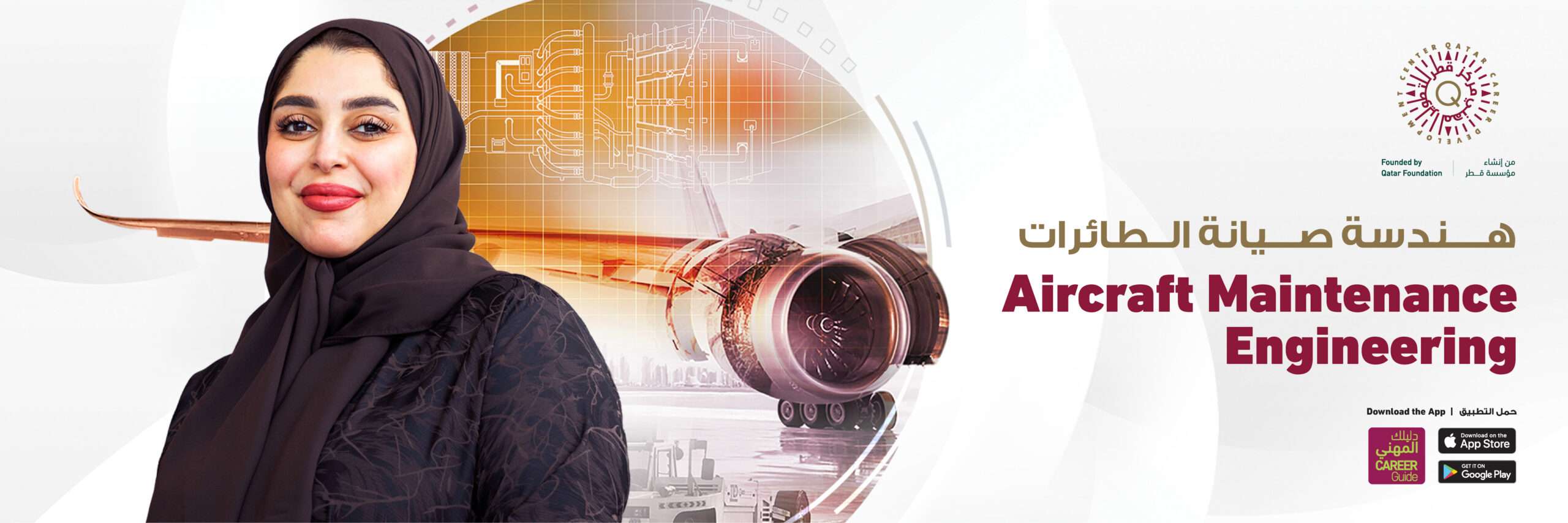
Aircraft Maintenance Engineering
When you’re preparing to fly, your mind is usually on your ticket, boarding pass, the security line, and finally stepping onto the plane, hoping for a safe and comfortable journey. Along the way, you meet flight attendants, pilots, and airport staff—but rarely think about the unseen work that makes your flight possible.
Behind the scenes, highly trained teams work with painstaking precision toward one shared goal: making sure you reach your destination safely. Every member of this system plays a vital role, performing specialized tasks where there’s no margin for error. One of the most critical players in that operation? The aircraft maintenance engineer.
Aircraft maintenance engineers are the first line of defense in the sky and guardians of aviation safety. Their primary mission: inspect aircraft with exacting care, carry out routine maintenance, troubleshoot issues, and ensure every onboard system meets the highest international safety standards before takeoff.
According to civil aviation regulations worldwide, no plane is cleared to leave the runway without their official sign-off. This profession branches into two main specializations.
The first focuses on avionics—covering communications, navigation, autopilot systems, and sensors. The second deals with the aircraft’s mechanical side: engines, airframes, and various mechanical and electrical systems. Each track requires its own academic training, hands-on apprenticeships, and a series of rigorous exams and interviews before engineers earn their professional licenses.
And here’s the catch: a license for one type of aircraft doesn’t automatically qualify you for another. Engineers must train and certify for each specific model they work on—a process that demands both dedication and precision.
While the job might sound like it’s all about wrench turning, the reality is different. Maintenance engineers often lead specialized teams of technicians, guiding their work and making sure every task is done accurately and on time. The outlook for aircraft maintenance engineering in Qatar is promising.
As the aviation sector expands, the need for skilled national cadres is growing. If you’re someone who enjoys math and physics, has an analytical mind, and feels drawn to technology and mechanics, this could be a career worth serious consideration.
To nurture the next generation of Qatari engineers, Qatar Airways offers the Al Darb program. It provides scholarships that cover a foundation year in math, science, and—if needed—English, followed by a 27-month Aircraft Maintenance Engineering diploma at the Qatar Aeronautical Academy. Graduates earn licenses recognized by both Qatar’s Civil Aviation Authority (QCAA) and the European Union Aviation Safety Agency (EASA), then move on to two years of practical training at Qatar Airways’ maintenance facilities in Doha.
Fatima Al-Mohammadi
Aircraft Maintenance Engineer
Qatar Airways
After graduating from high school, I first enrolled in chemical engineering. But something just didn’t click. The field didn’t match my ambitions or reflect what I truly wanted to do. I spoke with my family, sought advice, and started exploring other engineering fields available in Qatar.
That’s when one option really caught my attention: aircraft maintenance engineering. It struck me as the perfect balance between theory and hands-on work, set in a dynamic and exciting environment.
In 2012, I decided to make the switch and joined the Qatar Aeronautical Academy—back then, it was called the Qatar Aeronautical College. Convincing my family wasn’t easy, especially because they felt this wasn’t a suitable career for a woman.
It took time, long conversations, and a lot of persistence to show them how passionate I was and to clear up some misconceptions about the profession. Eventually, they came around, and from that moment on, they became my biggest supporters.
Today, nothing makes me happier than seeing my mother speak about my work with pride in front of relatives and friends. The early days weren’t without challenges. The technical jargon in aviation was overwhelming at first.
But I pushed through, focused on learning, and slowly mastered the theory before moving on to the practical side—repairing engines, replacing aircraft components, and applying everything I had learned in real-world situations.
After graduating, I completed my training, earned my licenses, and began my career with Qatar Airways. The rotating shifts were demanding in the beginning, but I quickly learned how to manage my time and adapt. Working in a male-dominated field never intimidated me.
At Qatar Airways, we operate as one team, treating each other with professionalism, mutual respect, and a shared commitment to safety. What I love most about my work is that no two days are alike. Every day brings a new challenge; one day it’s an engine issue, the next it’s an electrical system fault. There’s always something new to learn. And the best moment of all? That feeling of pride and accomplishment when I sign off a plane as airworthy and watch it take off safely after a successful repair.
To any young Qatari thinking about this field, I say: go for it. This is a critical profession, and we need more national talent in it. Don’t be afraid of the impact of artificial intelligence; while we rely on technology a great deal, human expertise and judgment are still irreplaceable when it comes to diagnosing and solving complex problems.
In the end, I can’t help but acknowledge the remarkable success Qatari women are achieving across so many professional fields. In aircraft maintenance, I’ve always looked up to Samah Al-Sada, Qatar’s first female aircraft maintenance engineer. She inspired me and showed me what was possible.
Now, after more than six years in the field, I’ve stepped into a new chapter as a training supervisor, passing on my knowledge to the next generation of engineers. Helping prepare skilled, capable Qataris for the future is something I take immense pride in.